

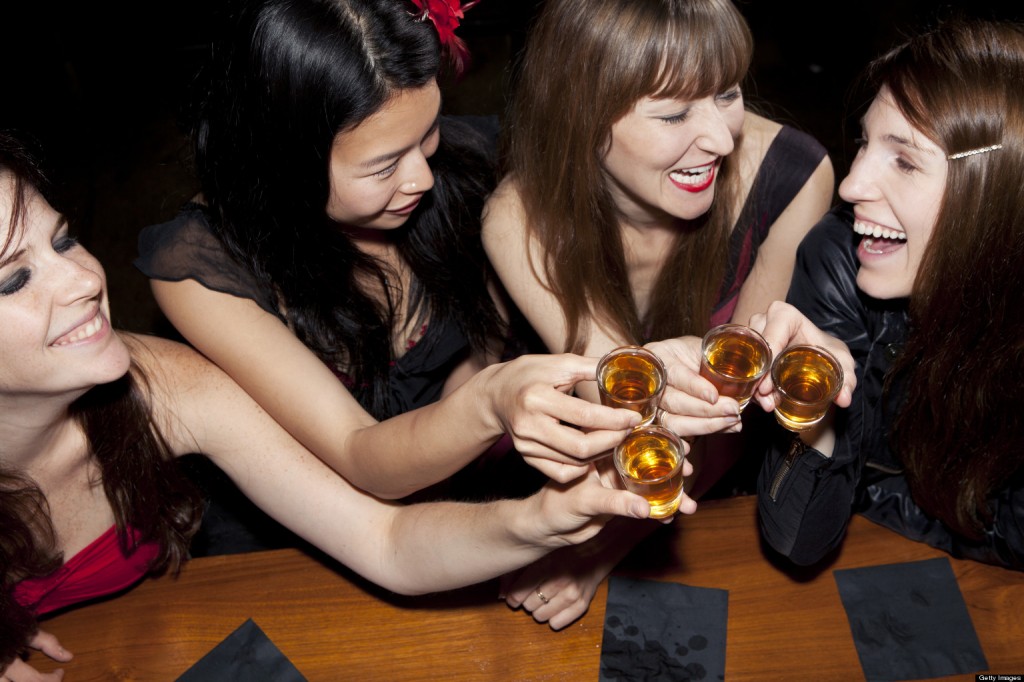

A quick trip through your Facebook or Instagram timeline might reveal glimpses into the lives and times of yourself or your friends – nights of heady excitement and “you-only-live-once” moments. Being the legal, card-carrying adults that we are today, such occasions may include mixes of alcoholic beverages poured in tandem to pulsing club beats, or rounds of chilled beer glasses accompanying late-night conversations with friends.
Yet, festive merriment of loosened inhibitions aside, it is always wise being in control of your alcohol consumption – lest a fun night turns into a drunken blur that is of detriment to your mental and physical well-being (not to mention the possible embarrassment of drunken Snapchats you may have sent your crush). At its worst, alcohol excess leads to alcohol poisoning, affecting the brain, breathing and circulation, and may even lead to death. Research previously conducted have also shown that those who have started drinking from a young age may experience long-term negative effects on their memory, concentration, visuospatial skills, reasoning, planning and goal-directed behaviours – all skills you need to stay afloat in the collegiate academic rat-race.
Here are a few tips from the Health Promotion Board (HPB), on keeping track of your sobriety, so you can have fun and be safe – because we like having you around.
• Keep track of how many drinks you have had. If you have a tendency to lose count, get a friend to help you. It also helps if you set a limit for yourself and stick to it. For example, you can make a pact with your friend not to exceed more than two drinks a night. (Binge drinking starts at having more than three standard alcoholic drinks on one occasion for women or more than four for men.)
• Know what you are drinking and control who gets to refill your drink: it’s either you or a friend you trust to look out for you. You’d want to keep track of what goes in your system – a standard alcoholic drink contains 10 grams of alcohol, and this can be estimated to be one can (330 ml) of regular beer with 5% alcohol content, or half glass (175 ml) of wine with 15% alcohol content, or a shot (35 ml) of spirits with 40% alcohol content.
• Work that drink. Move around, dance or mingle with people instead of sitting down and just drinking.
• It takes longer to drink beer or sip wine than gulp down a shot of hard liquor. But slowing down the intake of alcohol by mixing different alcoholic drinks does not help one recover or stay sober longer. According to Dr. K Vijaya, Director of HPB’s Youth Health Division, regardless of type and volume, a standard drink of beer, wine, or spirits contains equivalent amounts of alcohol, and it is the level of alcohol in one’s blood that determines a person’s likelihood to get drunk.
• Drink slowly, and have a “spacer” by alternating between non-alcoholic and alcoholic drinks. If you are thirsty and need a quencher, drink water to prevent dehydration, or something non-alcoholic at least. “It’s just like beer, but doesn’t have the ingredient in it that makes you drunk.” – Freaks and Geeks
• Avoid playing drinking games. But, if you decide to take the risk, be sharp – stay within your limit and bow out when you need to. Be assertive – don’t let anyone make you drink more than your limit.
• Eat before and during drinking, but avoid eating salty food like salted chips, fries, or sly bowls of complimentary peanuts in bars that make you thirsty.