

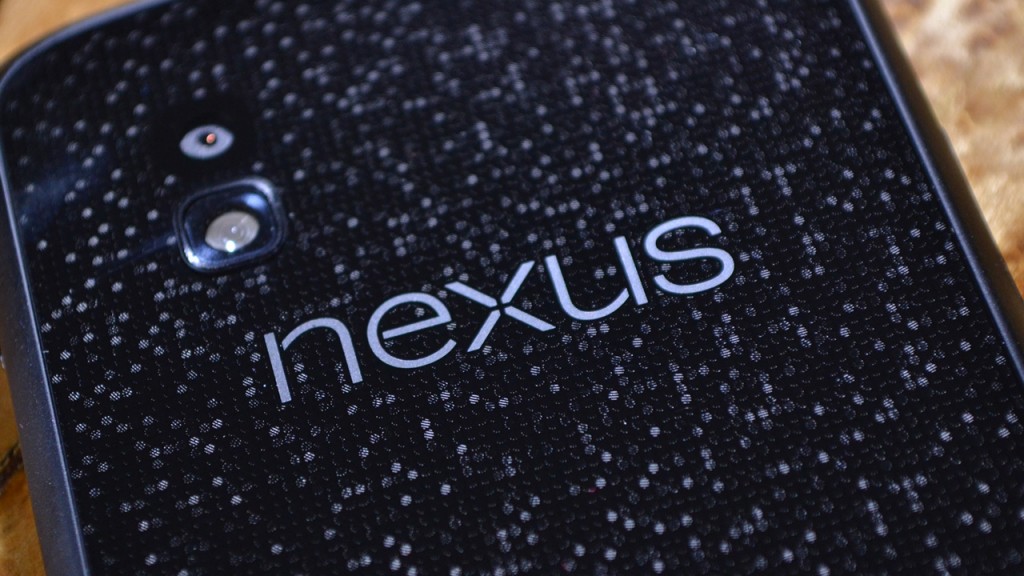

In November last year, Google released the fourth edition of its flagship Nexus phone series. After partnering with HTC and Samsung for the first 3 editions, LG was handed the manufacturing duties this time around.
There was a time when Nexus phones were considered devices for developers only but this is no longer true. Now the Nexus series is up there with the best and the brightest. The Nexus 4 continues that trend, boasting some very impressive software upgrades including the Swype keyboard and Photo Sphere, as well as hardware upgrades like an 8 MP camera, Bluetooth 4.0 and Corning Gorilla Glass 2. This is besides the usual feature list smartphones have these days, such as a quad-core 1.5 Ghz processor and a True HD touchscreen.

The real question is why someone would consider Nexus 4 when there is a barrage of awesome Android phones on the market today? The answer is simple. When the people who make the software monitor the hardware it will run on, a coherent device is produced. What that means is that the Nexus 4, which is already sporting the newest Android 4.2 Jelly Bean operating system, will be the first one to receive the latest updates before they reach any other Android powered device. It means that you will get an experience of Android as it was intended by Google, without unwanted modifications and apps from OEMs[1] (even LG) or carriers. It also means that you will not be tied down by service provider contracts that are detrimental to your pocket. Lastly it means that you will get an opportunity for deeper customization and development on your Android with a pre-unlocked bootloader.
If the aforementioned points are not enough to inspire a betrayal of your favorite brand (assuming it is not the Google Nexus), here are some other tempters: the Nexus 4 runs on a whopping 1.5 GHz quad-core processor with 2 GB of RAM. It has a 4.7 inch True HD IPS Plus capacitive screen with a pixel density of 318 PPI. It is also capable of wireless inductive charging and wireless display to external monitors based on Miracast standards.

But all is not sunny in Nexus4ville. The biggest dampener (or so people say) is a lack of support for 4G LTE[2] technology. Many argue that HSPA[3] is fast enough for most people and Google justifies the omission by claiming that LTE’s need to support multiple networks would deteriorate battery life. In Singapore it should not be a concern for the immediate future, as there is currently a lack of pervasive LTE coverage. Other missing elements are a removable back cover (thus an inability to replace battery) and no card slot to change/expand storage. Although most smartphones nowadays come this way, an option to use multiple SD cards would have been nice.
Nevertheless, you can condone a few shortcomings of Nexus 4 due to its shockingly low price of USD$299 for the 8 GB versions and USD$349 for the 16 GB versions. All and all, if you are in the market for an unlocked, contract-less smartphone, and your eyes are not transfixed by a half-eaten apple, the Nexus 4 is a superb bet. It is truly flying the flag of the Google ship high (pun very much intended here).